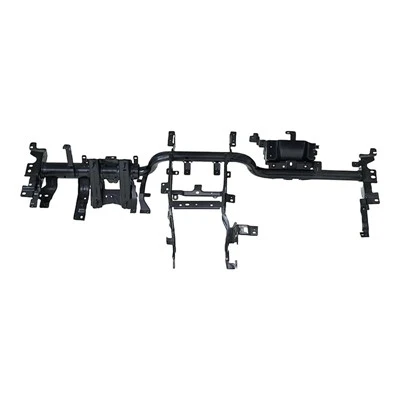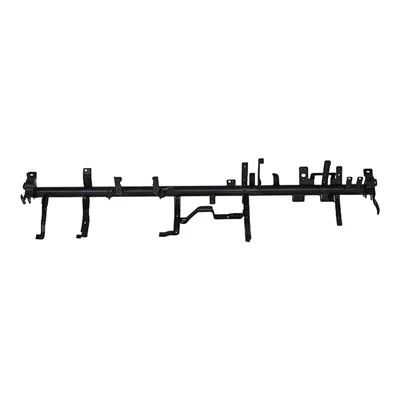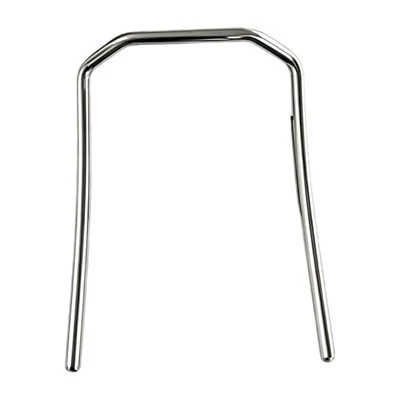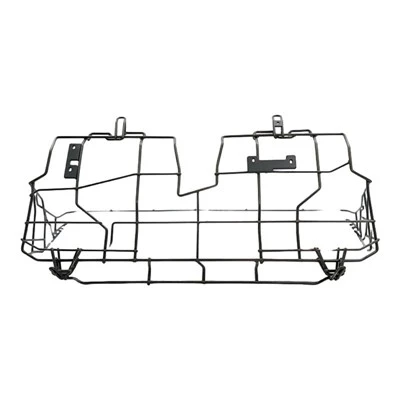

The design principles of car seat frames aim to ensure functionality, comfort, and safety. Functionally, adjustment mechanisms, through screws and connectors, allow for flexible adjustment of the sidewall and backrest angles. In terms of comfort, a well-designed frame structure provides excellent support for passengers. For safety, in the event of an impact, the backrest and seat frame components absorb energy through pre-defined deformation patterns. These design principles work together to create a high-quality car seat.
Regarding functional design principles, the ingenious construction of the adjustment mechanism is remarkable. Taking a common adjustment mechanism as an example, it includes connecting plates fixed to the sidewall. Two connecting plates clamp a connector with screw holes. A screw passes through the screw hole in the connector, and the two screws are connected by a connecting rod. A handle for manual rotation is also included. When the handle is turned, the screw rotates accordingly. Because the two screws are connected by the connecting rod, this clever connection ensures that when one screw rotates, the other rotates simultaneously. The rotation of the screw drives the connecting piece to move, which in turn moves the connecting plate, ultimately rotating the side panel. This allows for precise adjustment of the angle between the side panel and the backrest, meeting the different seating posture needs of drivers and passengers. Whether it's the comfortable and relaxed angle needed for long-distance driving or the more supportive angle required for spirited driving, it can be easily achieved.
Achieving comfort also relies on the meticulously designed seat frame principle. A reasonable frame structure is key to providing good support. Each component of the frame is designed with ergonomic principles in mind, precisely planning the support force for different areas. For example, in the lumbar support area, the frame structure provides sufficient support to alleviate the pressure on the lower back during long journeys; while in the hip and back support areas, the frame, through its reasonable shape and layout, evenly distributes the body weight, reducing discomfort caused by excessive local pressure, making the driver and passengers feel as if they are in a comfortable, supportive embrace, preventing fatigue even after long periods of sitting.
Safety is paramount in the design principle of automotive seat frames. When the seat back is impacted, the design of the side struts of the backrest frame plays a crucial role. The grooved areas of the seat frame have relatively low strength, and the upper section of the frame at these grooves tilts inward. Upon impact, this part of the frame undergoes slight deformation, absorbing impact energy and reducing the impact on the occupants' backs. Simultaneously, the connectors at both ends of the lower connecting rod of the seat back frame, due to their unique deformation slot design, also deform forward to absorb energy. When the rear frame is impacted, the side connecting plates similarly undergo plastic deformation due to their deformation slot design, further absorbing energy. When the seat base is impacted from the rear, the impact force is transmitted to the torsion bar and the side plates of the seat frame through the tie rod and force transmission plate. If the impact force is large, the torsion bar and side plates will deform to absorb energy, maximizing the safety of the occupants.
In summary, the design principles of automotive seat frames encompass multiple dimensions, including functionality, comfort, and safety. These dimensions are interconnected and mutually influential, collectively constructing a complete design system. Functional adjustments lay the foundation for comfort and safety, allowing seats to better conform to the human body; comfortable design enhances the driving experience and reduces potential threats to safe driving caused by factors such as fatigue; while ensuring safety is the most crucial goal, the starting point and end goal of all design. Through continuous optimization and innovation of these design principles, car seats can provide drivers and passengers with a comprehensive and high-quality experience.