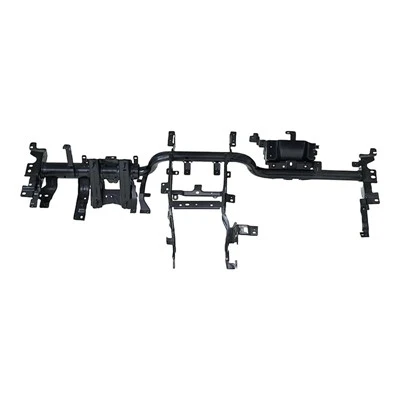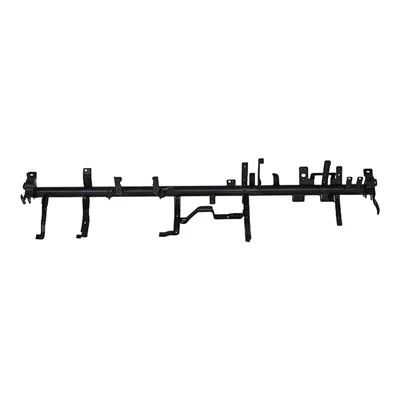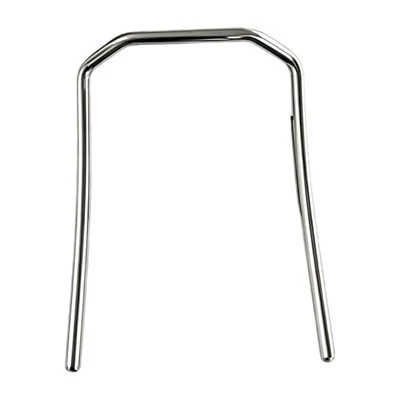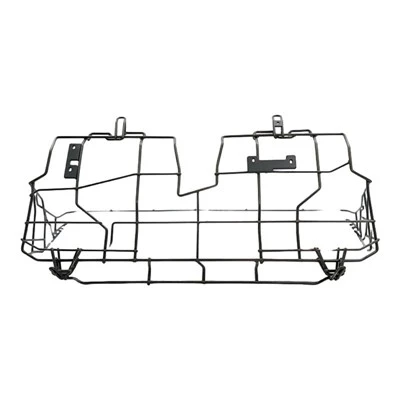

Like the skeleton of the human body, the seat frame is the core load-bearing structure of the seat. Mainstream designs utilize a combination of high-strength steel and magnesium-aluminum alloy: the backrest frame must withstand a collision acceleration of over 15g, using sheet metal materials with a tensile strength exceeding 1100MPa; the seat cushion frame employs a lightweight magnesium-aluminum alloy adjustment mechanism, reducing weight while ensuring durability. For example, the seat frame of the Volvo XC90 uses laser welding technology to splice steel plates of varying thicknesses into a "cage-like" structure, effectively dispersing impact force during a collision. Combined with pre-tensioned seat belts and anti-submarsing seat cushions, this forms all-around safety protection.
Modern seat frame designs also incorporate dynamic adaptation technology. The side wing airbags of the Mercedes-Benz S-Class seats use electric pneumatic supports. When the vehicle is cornering, if sensors detect a lateral acceleration exceeding 0.3g, the side wing airbags inflate within 0.2 seconds, providing a clamping force of 50-80N, effectively reducing body roll. This "active flank support" system requires the frame to have higher deformation tolerance, and its key connectors are made of aerospace-grade aluminum alloy forging process to ensure that they can be reused 100,000 times without deformation.