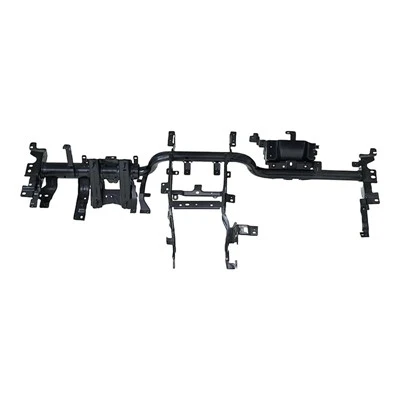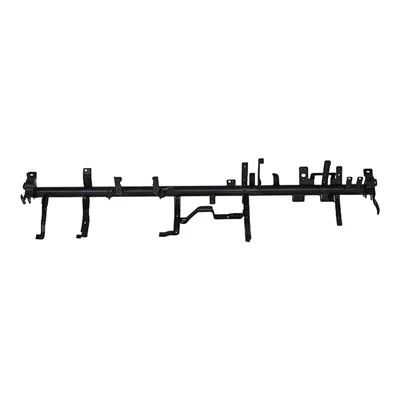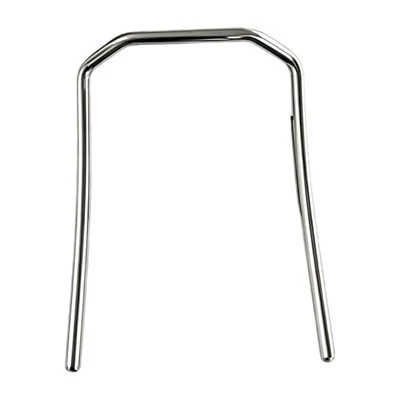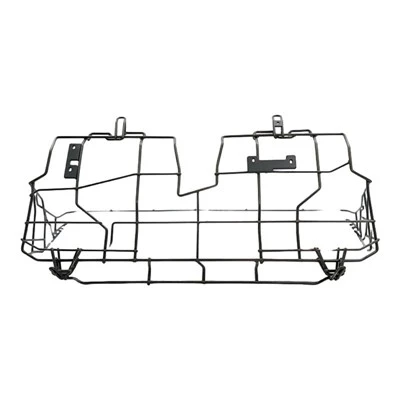

The lifespan of a car seat frame is typically between 5 and 10 years. As a crucial component supporting the seat, the durability of the seat frame is influenced by many factors. Frequent use increases wear and tear, potentially pushing its lifespan closer to the lower limit. Conversely, with less frequent use and proper maintenance of the seat, such as regular cleaning and avoiding rough handling, the seat frame's lifespan is more likely to approach or even exceed 10 years.
In daily use, differences in design and material selection among different car models also affect their lifespan. Some high-end models typically use higher-quality steel or aluminum alloys for their seat frames. These materials offer better strength and corrosion resistance, and under reasonable use, their seat frames may have a relatively longer lifespan, potentially exceeding 10 years.
Conversely, some economy cars may compromise on the materials and manufacturing processes of their seat frames to control costs. While these models' seat frames also undergo rigorous testing and quality control, compared to high-end models, they may experience more wear and tear under more frequent use and in more complex environments, potentially pushing their lifespan closer to the 5-year lower limit.
Meanwhile, the usage environment also significantly impacts the lifespan of the seat frame. If a vehicle is frequently exposed to harsh climatic conditions, such as high temperatures, high humidity, or dusty environments, the seat frame is more susceptible to corrosion and erosion, which undoubtedly accelerates its aging and damage, thus shortening its lifespan. Furthermore, vehicles frequently travel on bumpy and rough roads, subjecting the seat frame to greater impacts, which also affects its durability.
In addition, user habits are crucial. Some users are rough when getting in and out of the car, or frequently place excessively heavy items on the seats. These bad habits put additional pressure and damage on the seat frame, leading to a shorter lifespan. Gentle and proper use helps reduce damage to the seat frame and extend its lifespan.
In conclusion, the lifespan of a car seat frame is not fixed; 5 to 10 years is just a general range. It is influenced by a combination of factors, including usage frequency, vehicle model and materials, usage environment, and user habits. To extend the lifespan of their seat frames, car owners need to take a multi-pronged approach and cultivate good usage and maintenance habits.