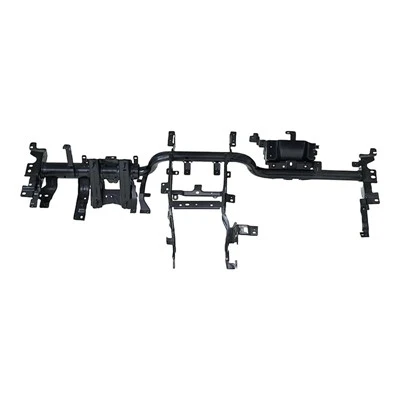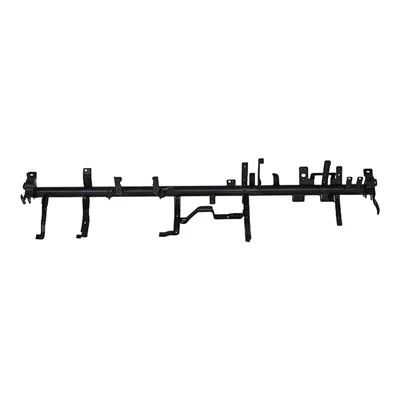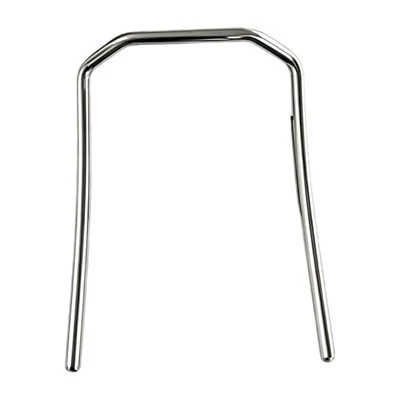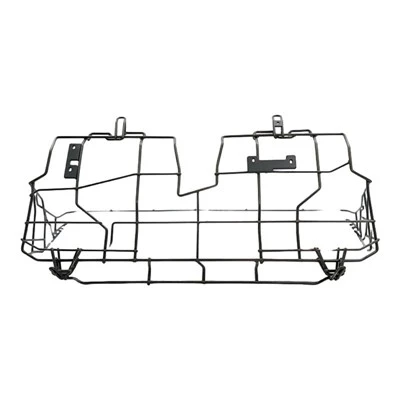

When cars were first invented, seats were simply small stools. Later, driven by safety and comfort needs, seats gradually evolved into mobile sofas. Today, car seats incorporate more adjustment mechanisms, and their functionality has become increasingly sophisticated.
Why do car seats need a frame? For humans and other vertebrates, the skeleton plays many indispensable roles, with providing overall structural support and organ protection being paramount. Car seats also possess their own "skeleton" structure. The seat frame's function is to bear loads, transmit torque, increase stability, and house various functional components. For components that cannot float within the seat, such as seat foam, seat covers, electronic parts, and plastic parts, the frame serves as the carrier for installation and support. Car seats not only provide comfort for the driving and riding experience but are also a crucial element of safety. Therefore, the quality of the car seat's frame structure determines the overall safety, comfort, and cost-effectiveness of the seat, and is receiving increasing attention.
The Importance of Front and Rear Frames As one of the safety components of a car, the strength of the seat frame plays a vital role in the safety of the entire vehicle during use. A good vehicle frame must secure and protect occupants in a specific posture during a collision, allowing other safety components such as seat belts and airbags to fully perform their protective functions. Modern passenger cars typically have two to three rows of seats, so they are divided into front and rear seat frame assemblies based on seat installation location, with different requirements and functional structures.
Front Seats
In ordinary vehicles, considering usage frequency, the most frequently used, most functional, and most accident-prone seats are usually located at the front of the vehicle. Furthermore, various vehicle models have high requirements for front seat platform standardization, making the front seat the most important and most challenging part of the entire vehicle's seating system to develop. Currently, the main structural types for front seat frames are full-tube frames, sheet metal tube frames, and full sheet metal frames.
The full-tube frame structure is the simplest and lowest cost, but its performance is the worst because only a small portion of the basic parts are made of stamped sheet metal and a large number of tubular materials. The full-sheet metal frame structure is favored by European and high-end models; the entire frame is constructed from stamped and welded sheet metal, resulting in the best performance but the highest cost. The sheet-tube frame structure falls between the two in terms of cost, performance, and complexity, and is mostly used in Japanese and Korean models. It offers flexibility to adapt to most shapes and has a slightly lower cost, making it the primary structural type chosen by most automakers.
Middle and Rear Seats
Unlike the front seats, the middle and rear seats are more focused on how to play a flexible and adaptable role within the limited cabin space.
The rear seats of five-seater small passenger cars were initially mostly fixed seat frames. Although the structure was simple and low-cost, the inability to fold down the backrests limited the trunk space, leading to its gradual decline in popularity. Subsequent models featured foldable backrest frames. While the backrest angle could not be adjusted, the backrest could be folded down by unlocking the backrest lock to expand the trunk space, and this has become standard equipment in most models. While foldable backrest frames that allow angle adjustment via an adjuster are more upscale, they also require higher frame strength.
Vehicles with six or more seats generally require a third row of seats. Therefore, the seat frames for these vehicles not only need to allow the third row to fold down, but also require the second-row seat frames to have an Easy Entry forward-tilting function for easy passenger access.
Rear Seat Frame
Material Selection for Weight Reduction Without Sacrificing Quality
Lightweighting engineering has always been a major trend in vehicle technology innovation, especially in recent years with the widespread adoption and rapid development of electric vehicles. Reducing overall vehicle weight can significantly improve driving range and alleviate consumers' concerns about charging anxiety and range anxiety.
Among automotive components, the front and rear seats account for approximately 7% of the total vehicle weight. Considering the increasing diversity and complexity of future car seat functions, this weight percentage will also increase. Therefore, how to ensure and continuously improve the strength and quality of car seats, especially the frame components which account for a large proportion of the entire seat system, while reducing weight has become a major research topic for seat system engineers.
The application of lightweight materials has yielded significant results, with high-strength steel, magnesium alloys, aluminum alloys, engineering plastics, EPP, and carbon fiber all showing great potential. However, considering the varying strength requirements of different components in the overall chair design, no single material can independently become the absolute mainstay. For example, high-strength steel and magnesium alloys are primarily used for core components such as the frame, while aluminum alloys are used for the sliding rails. A hybrid design approach, using targeted solutions, will yield better results.
Flexible and Versatile Long Sliding Rails
Today's car seats are no longer as simple and crude as they were when cars first appeared, merely bolted into the passenger compartment. Most drivers' first action upon entering the car is to adjust the steering wheel and seat to a comfortable position, especially in multi-passenger vehicles, where a good seating posture makes driving easier and less strenuous. Middle and rear passengers, who are not primarily focused on driving, have even higher demands for comfortable seating postures. This makes seat sliding rails a secret weapon for maximizing the infinite possibilities of seat systems from their inception.