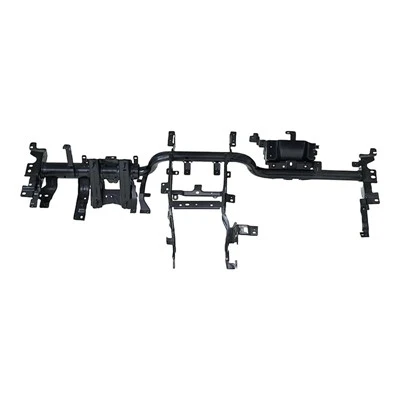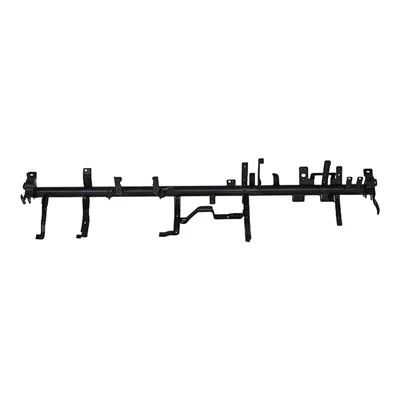

The technical specifications for automotive dashboard crossbeam assemblies cover a wide range of aspects, including scope, standard references, technical requirements, testing and inspection rules. The following is a detailed introduction:
Scope: Clearly defines the technical requirements for passenger vehicle dashboard crossbeam assemblies, the equipment, instruments and environmental conditions required for testing, test methods, inspection rules, and product marking, transportation, and storage requirements.
Standard References: Includes several important documents, such as GB/T 191-2021 Packaging and Storage Pictorial Markings, used to standardize product packaging and transportation markings; GB/T 2828.1-2021 Sampling Procedures for Inspection by Attributes Part 1, providing a basis for sampling methods for product inspection; and internal company regulations regarding permanent markings for automotive parts, requirements for prohibited and restricted substances, and material testing methods.
Technical Requirements
Dimensional Requirements: Product dimensions, tolerances, quality, color, and materials must strictly comply with GD&T drawing requirements.
Welding Performance: Weld penetration depth is determined by metallographic examination of the weld. Under 15x magnification, the cross-section of the weld must be free of visible cracks. Internal pores are irregularly arranged, with an aspect ratio of ≤3 for elliptical pores.
Performance and Testing Requirements: This includes testing the CCB assembly bench rigidity constraint modal values, the CCB steering column mounting point bench rigidity constraint normal dynamic stiffness, and the overall sagging deformation stiffness of the instrument panel crossbeam.
Safety Requirements: In a frontal collision, it must buffer the impact energy of the engine compartment, limit pedal intrusion, and suppress steering wheel displacement. In a side collision, it must possess lateral reaction force and holding force, sharing lateral pressure with the vehicle body to maintain cockpit rigidity. It must also have radial structural stiffness to prevent airbag displacement during airbag deployment.
Stiffness and Modal Requirements: As the supporting framework of the cockpit system, it must meet the positioning, installation, and stiffness requirements of each module, resisting deformation during installation, storage, and transportation. The natural frequencies of the subsystems must avoid specific frequency ranges to prevent resonance and avoid system vibration and abnormal noise.
Strength Requirements: The instrument panel crossbeam is continuously subjected to alternating loads transmitted from the steering column. The steering column mounting bracket must be made of materials with sufficient strength and designed with adequate structural strength to prevent fastening failure.
Restricted Substances Requirements: Must comply with relevant regulations on restricted and prohibited substances.
Storage Requirements: The instrument panel crossbeam must not develop rust on its surface within 20 days of delivery to the company.
In addition, the technical specifications also stipulate testing equipment, facilities, environment, testing methods, inspection rules, and aspects related to labeling, packaging, transportation, and storage.