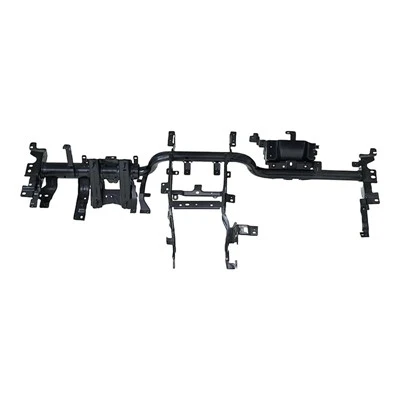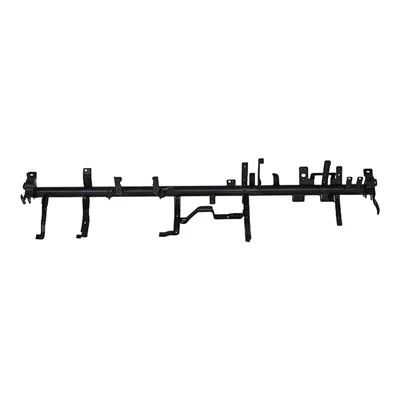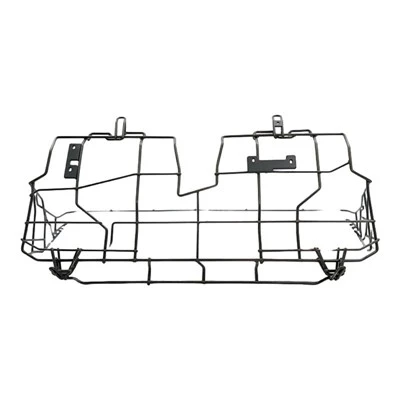

The rear bumper frames of different car models vary significantly in terms of materials, structure, and styling. Firstly, regarding materials, the Toyota Crown uses aluminum alloy, a choice that not only enhances the frame's strength but also achieves weight reduction, contributing to improved overall vehicle performance and reduced energy consumption. In contrast, modern sedans typically use plastic for their rear bumper frames. While this choice is lower in cost, it effectively meets the need for a unified function and aesthetic, aligning with modern sedans' pursuit of lightweight design. The Hongqi H5 Classic, on the other hand, uses high-strength aluminum alloy with a thick plastic skid plate on the outside. This dual-protection design not only effectively improves collision protection but also enhances pedestrian protection.
Structurally, the rear bumper frame designs also differ between models. The Toyota Crown's rear bumper frame structure is designed according to variations in the vehicle's structure and different safety requirements, showing a clear difference from the bumper structures of SUVs. The Hongqi H5 Classic's ingenious -shaped anti-collision beam design, combined with the welded connection between the hexagonal energy-absorbing box and the anti-collision beam, allows for rapid and effective energy absorption during a collision, greatly improving vehicle safety. In terms of styling, the rear bumper frames of different car models also exhibit distinct characteristics. For example, the rear bumper frame of the Audi Q3 shows significant differences in the lower rear lip design depending on the configuration and style. This design not only enhances the aesthetics of the rear of the vehicle but also incorporates aerodynamic elements, resulting in better stability and smoother handling during driving.
In short, the significant differences in rear bumper frames across different car models reflect the comprehensive considerations of automakers based on factors such as vehicle positioning, safety requirements, and design philosophies. These design innovations not only improve vehicle safety and performance but also embody the continuous evolution of the automotive industry.